
Are Subscription Design Agencies The Future?

In recent years, the design industry has undergone significant transformation, fueled by the rise of digital technology and changing business needs. One of the most intriguing developments is the emergence of design subscription agencies, which offer businesses unlimited design services for a flat monthly fee. This model is a departure from traditional project-based or hourly billing methods, promising efficiency, scalability, and cost-effectiveness. But are design subscription agencies truly the future of creative services, or are they a passing trend? In this article, we’ll explore the factors driving the popularity of design subscription models, analyze their advantages and challenges, and consider whether they are poised to dominate the design industry in the coming years. Understanding the Design Subscription Model Design subscription agencies operate on a relatively simple premise: businesses pay a fixed monthly fee to access a range of design services. These services typically include everything from branding and logo design to website design, social media graphics, and more. Clients can request as many design projects as they need within a given month, with the agency delivering work on a first-come, first-served basis. The subscription model is often characterized by: Why Design Subscription Agencies Are Gaining Popularity The rise of design subscription agencies can be attributed to several key factors that align with the evolving needs of businesses and the changing landscape of the design industry. Cost-Effectiveness One of the most appealing aspects of design subscription services is their cost-effectiveness. For a flat monthly fee, businesses can access a wide range of design services, eliminating the need to hire a full-time designer or pay hefty fees for freelancers or traditional agencies. This model is particularly beneficial for small to medium-sized enterprises (SMEs) and startups that require high-quality design work but have limited budgets. Scalability and Flexibility Design subscription services offer a level of scalability and flexibility that is difficult to achieve with traditional design models. Businesses can easily adjust their subscription plan based on their needs, scaling up during peak periods or scaling down when demand decreases. This flexibility is especially valuable for companies that experience fluctuating design needs throughout the year. As Stephen, from Andelo an agency that offers design subscription packages in Australia states “this has allowed more consistent cashflow and a better service for clients since we work closely with them, not only this is it works out better for the clients as it is cheaper then buying an inhouse designer who likely lacks in the diverse skills our agency has” Consistency in Branding By working with a dedicated designer or design team, businesses can ensure consistency in their branding and design output. This continuity is often lacking in traditional project-based models, where different designers may work on various aspects of a brand’s identity. A subscription agency that understands the client’s brand can maintain a consistent visual identity across all design assets. Quick Turnaround Times Many design subscription agencies emphasize speed and efficiency, with quick turnaround times for design projects. This is a significant advantage for businesses that require fast, reliable design services to keep up with the pace of modern marketing and social media. The ability to receive high-quality designs in a short time frame can be a game-changer for companies that need to react quickly to market trends or launch new campaigns. Predictable Costs With a fixed monthly fee, businesses can better predict their design costs and budget accordingly. This predictability contrasts with traditional design services, where costs can vary widely depending on the complexity and scope of each project. For businesses that require ongoing design work, the subscription model provides a more stable and manageable financial structure. Challenges Facing Design Subscription Agencies While design subscription agencies offer numerous benefits, they also face several challenges that could impact their long-term viability and success. Quality Control One of the most significant concerns with the subscription model is maintaining consistent quality across all design projects. The promise of unlimited design services can lead to a high volume of requests, potentially stretching the agency’s resources thin. When designers are working on multiple projects simultaneously, the quality of the work may suffer, leading to client dissatisfaction. Designer Burnout The high demand and fast-paced nature of subscription services can lead to designer burnout. Designers working in these environments may experience pressure to meet tight deadlines and handle a large number of requests, which can impact their creativity and job satisfaction. Over time, this could lead to high turnover rates among designers, affecting the continuity and quality of service provided to clients. Customization Limitations While design subscription services offer a wide range of design options, they may not be suitable for highly specialized or complex projects that require deep customization. Clients with unique or niche design needs may find that subscription agencies lack the expertise or resources to deliver the level of detail and customization required for certain projects. In such cases, traditional design agencies or specialized freelancers might be a better fit. Client Expectation Management Managing client expectations is another challenge for design subscription agencies. The promise of “unlimited” design services can lead to unrealistic expectations from clients who may expect quick turnarounds on complex projects. Agencies must clearly communicate what is and isn’t included in the subscription, as well as establish reasonable timelines for project delivery to avoid misunderstandings and dissatisfaction. Are Design Subscription Agencies the Future? The question of whether design subscription agencies are the future of creative services ultimately depends on how well they can address the challenges outlined above while continuing to deliver on the benefits that make them attractive in the first place. Here are a few factors that will likely influence their future trajectory: Adoption by Small and Medium-Sized Businesses Design subscription agencies are particularly well-suited to the needs of SMEs and startups, which often require consistent, high-quality design work but lack the resources to hire full-time designers or engage traditional agencies. As more SMEs and startups embrace this model, the demand for subscription-based design services is likely to grow. Innovation and Specialization To

Are Subscription Design Agencies The Future? Read More »

Understanding the Cost of SEO Services

Understanding the Cost of SEO Services The cost of SEO services can vary significantly depending on several factors, and it’s important to understand these dynamics to make an informed decision. Monthly SEO Costs SEO services typically range from $1,000 to over $10,000 per month. The price depends on the scope of the project and the unique needs of the client. Factors influencing this cost include: One-Time SEO Setup Costs A one-time SEO setup, which includes foundational work such as website audits, keyword research, and on-page optimization, can cost between $3,000 and $10,000 or more. This setup is crucial for establishing a strong SEO foundation and typically focuses on: Pricing Models Different SEO agencies and professionals may use various pricing models, including: Small, Medium, and Large Business SEO Costs The Cost of Cheap SEO It’s tempting to opt for cheap SEO services, such as those offered on platforms like Fiverr, but these often result in poor-quality work that can harm your website’s ranking. Reputable SEO services involve strategic planning and implementation, which are not achievable at bargain prices. SEO as an Investment SEO should be viewed as a long-term investment rather than a one-time expense. Unlike paid advertising, the benefits of SEO continue to accrue over time, with content and links acquired during the campaign remaining valuable for years. Key Takeaways

Understanding the Cost of SEO Services Read More »

filetype:xlsx Local SEO (Guide To Using Excel For Local SEO)

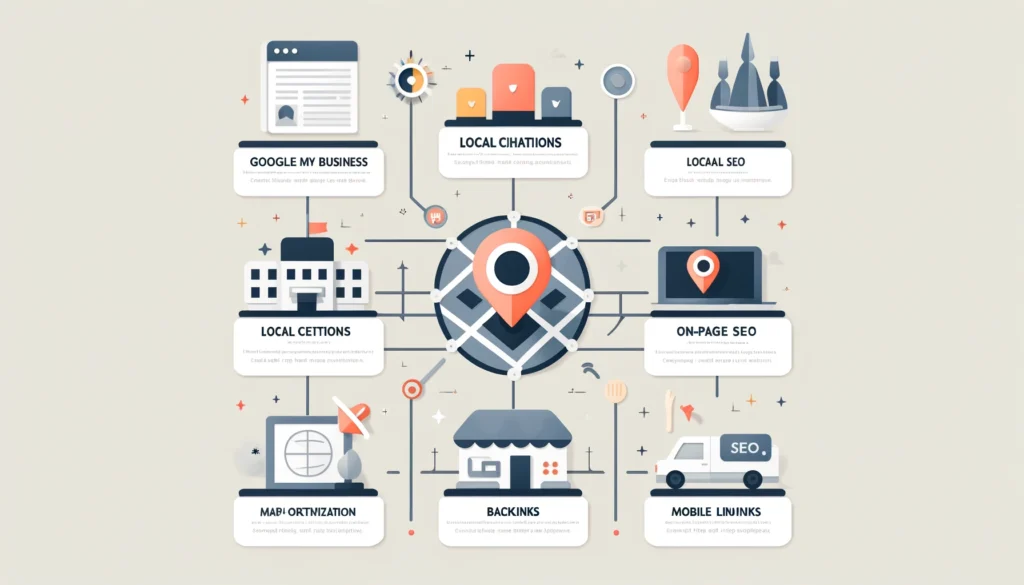
filetype:xlsx Local SEO Local SEO is a critical component of search engine optimization that helps businesses enhance their visibility within specific geographic areas. For businesses looking to attract local customers, effective local SEO strategies are essential. This guide provides an extensive overview of local SEO, including how to use Excel (XLSX) files for managing and optimizing your local SEO efforts. Understanding Local SEO Local SEO (Search Engine Optimization) is the process of optimizing your online presence to attract more business from relevant local searches. These searches take place on Google and other search engines. They typically include queries with local intent, such as “dentist near me” or “best pizza in Chicago.” Importance of Local SEO Key Components of Local SEO Google My Business (GMB) Google My Business is a free tool that allows businesses to manage their online presence across Google, including Search and Maps. Key steps for optimizing GMB include: Local Citations Local citations are online mentions of your business name, address, and phone number (NAP). They can appear in local business directories, websites, apps, and social platforms. On-Page SEO On-page SEO involves optimizing individual pages on your website to rank higher and earn more relevant traffic from search engines. Backlinks Backlinks are links from other websites to yours. They are a significant ranking factor for search engines. Mobile Optimization With the majority of local searches happening on mobile devices, ensuring your website is mobile-friendly is crucial. Using Excel (XLSX) Files for Local SEO Excel (XLSX) files can be a powerful tool for managing and optimizing your local SEO efforts. Here’s how you can effectively use Excel for local SEO: 1. Keyword Research Excel is excellent for organizing and analyzing keyword data. 2. Tracking Local Citations Keep track of your local citations to ensure consistency and accuracy. 3. Monitoring Reviews and Ratings Manage and monitor your online reviews and ratings. 4. Analyzing Competitors Analyze your local competitors to understand their strengths and weaknesses. 5. Local SEO Audits Regular audits are essential for maintaining and improving your local SEO. Sample Excel Template for Local SEO Here’s a basic structure of an Excel template you can use for local SEO: Sheet 1: Keyword Research Keyword Search Volume Competition Group Dentist near me 2400 High Dentists Dental implants 1600 Medium Services Emergency dentist 1200 Low Emergency Sheet 2: Local Citations Directory Business Name Address Phone Number Status Google My Business ABC Dental Clinic 123 Main St, City 123-456-7890 Verified Yelp ABC Dental Clinic 123 Main St, City 123-456-7890 Verified Bing Places ABC Dental Clinic 123 Main St, City 123-456-7890 Verified Sheet 3: Reviews and Ratings Platform Review Rating Response Status Google Great service! 5 Responded Yelp Very professional. 4 Pending Facebook Highly recommend. 5 Responded Sheet 4: Competitor Analysis Competitor Website Backlinks Local Citations Reviews XYZ Dental xyzdental.com 150 20 100 Smile Dental smiledental.com 120 15 80 Bright Dental brightdental.com 180 25 120 Sheet 5: SEO Audit Checklist Task Status Notes Verify GMB Listing Completed Check NAP Consistency In Progress Some discrepancies found Update Meta Descriptions Not Started Mobile Optimization Completed Conclusion Local SEO is essential for businesses looking to attract customers in specific geographic areas. By optimizing your online presence, you can increase your visibility, drive more relevant traffic, and ultimately grow your business. Utilizing Excel (XLSX) files can help you manage and optimize various aspects of your local SEO efforts effectively. From keyword research and citation tracking to review management and competitor analysis, Excel offers a versatile tool for organizing and analyzing data to improve your local SEO strategy.

filetype:xlsx Local SEO (Guide To Using Excel For Local SEO) Read More »

the Cost of Dental SEO

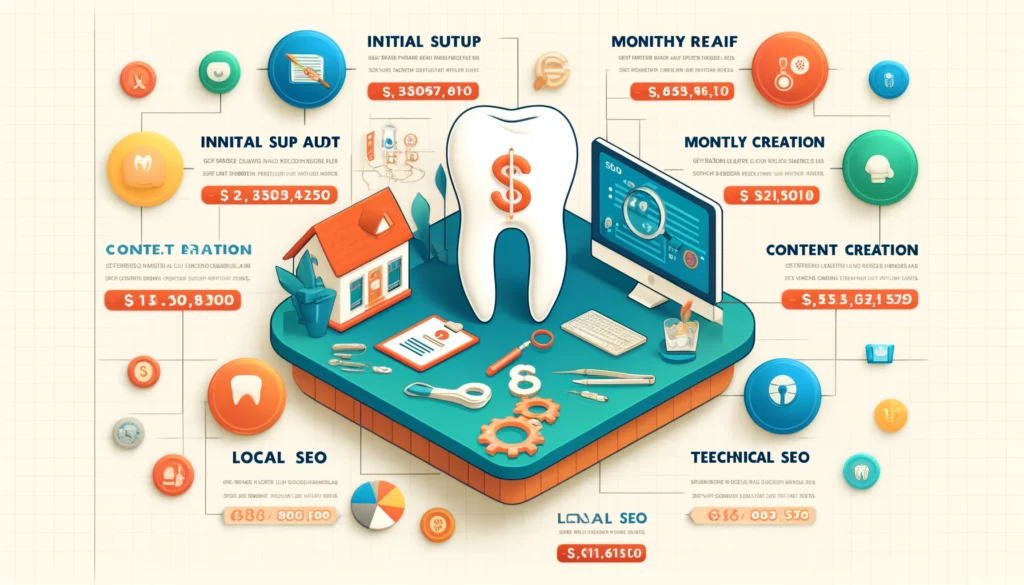
Comprehensive Guide to the Cost of Dental SEO Search Engine Optimization (SEO) is crucial for any business aiming to establish a strong online presence, and dental practices are no exception. Investing in dental SEO can significantly enhance a practice’s visibility, attract more patients, and ultimately boost revenue. However, understanding the costs associated with dental SEO can be complex, as they vary widely based on several factors. This comprehensive guide aims to provide a detailed breakdown of the costs involved in dental SEO, helping you make an informed decision. What is Dental SEO? Dental SEO involves optimizing a dental practice’s website to improve its visibility on search engines like Google, Bing, and Yahoo. The goal is to rank higher in search engine results pages (SERPs) for relevant keywords, thereby attracting more organic traffic. Dental SEO encompasses several strategies, including on-page optimization, off-page optimization, content creation, local SEO, and technical SEO. Factors Influencing the Cost of Dental SEO The cost of dental SEO is influenced by various factors. Understanding these factors can help you determine what to expect when budgeting for SEO services. 1. Scope of Services The breadth and depth of services included in your dental SEO package significantly impact the cost. A comprehensive SEO strategy may include: 2. Experience and Expertise The level of experience and expertise of the SEO provider plays a significant role in cost. Established agencies with a proven track record in dental SEO typically charge more than freelancers or less experienced companies. However, investing in a reputable provider can yield better results and a higher return on investment (ROI). 3. Geographic Location The geographic location of your dental practice and the SEO provider can also influence costs. SEO services in metropolitan areas tend to be more expensive due to higher competition and cost of living. 4. Competition The level of competition in your area and within your specific dental niche affects the cost of SEO. Highly competitive markets require more aggressive and ongoing SEO efforts, which can increase costs. 5. Customization and Strategy Customized SEO strategies tailored to your specific needs and goals are generally more expensive than generic packages. A personalized approach often involves more detailed analysis, strategic planning, and continuous optimization. Breakdown of Dental SEO Costs Initial Setup and Audit Cost Range: $500 – $2,000 An initial SEO audit and setup is crucial for identifying areas of improvement and developing a strategic plan. This phase typically includes: Monthly Retainer Cost Range: $1,000 – $5,000+ per month Most dental SEO services operate on a monthly retainer model, providing ongoing optimization and support. The cost varies based on the scope of services, frequency of updates, and level of competition. Monthly retainers usually cover: Content Creation Cost Range: $100 – $500 per piece of content High-quality content is essential for dental SEO. The cost of content creation depends on the type, length, and quality of content. This may include: Local SEO Cost Range: $300 – $1,500 per month For dental practices, local SEO is crucial for attracting patients in the vicinity. Local SEO efforts typically involve: Technical SEO Cost Range: $1,000 – $3,000+ (one-time or ongoing) Technical SEO focuses on improving the website’s backend to enhance performance and user experience. This may include: ROI of Dental SEO Investing in dental SEO can yield substantial returns. By improving your online visibility, you can attract more patients, increase appointment bookings, and grow your practice. Key metrics to track the ROI of dental SEO include: Choosing the Right SEO Provider When selecting an SEO provider for your dental practice, consider the following: Conclusion The cost of dental SEO can vary widely based on several factors, including the scope of services, experience of the provider, geographic location, and level of competition. By understanding these factors and carefully selecting the right SEO provider, you can ensure a successful and cost-effective SEO strategy for your dental practice. Investing in dental SEO is a long-term commitment that can yield significant benefits, including increased online visibility, more patient inquiries, and ultimately, higher revenue. By strategically allocating your budget and continuously optimizing your SEO efforts, you can achieve sustained growth and success for your dental practice.

the Cost of Dental SEO Read More »

Google Ads for Concrete Coatings

Guide to Google Ads for Concrete Coatings Google Ads can be a powerful tool for businesses specializing in concrete coatings. This comprehensive guide will walk you through every step needed to create, manage, and optimize Google Ads campaigns tailored for concrete coatings, ensuring maximum reach and return on investment (ROI). Understanding Google Ads Google Ads is an online advertising platform where businesses bid to display their ads on Google’s search engine results pages (SERPs), YouTube, and partner websites. The primary goal is to drive traffic, generate leads, and increase sales. Key Components of Google Ads Step-by-Step Guide to Google Ads for Concrete Coatings 1. Define Your Goals Before diving into Google Ads, clearly define your advertising goals. Common objectives include: 2. Keyword Research Effective keyword research is the cornerstone of a successful Google Ads campaign. Tools for Keyword Research Keyword Types 3. Create Compelling Ad Copy Your ad copy should be clear, concise, and compelling, emphasizing the benefits of your concrete coatings. Tips for Writing Effective Ads 4. Set Up Your Campaign Campaign Types Budget and Bidding 5. Targeting Options Effective targeting ensures your ads reach the right audience. Geographic Targeting Focus on regions where you offer your concrete coating services. Use location extensions to attract local customers. Demographic Targeting Target users based on age, gender, parental status, and household income to tailor your ads to the most relevant audience. Interest and Behavior Targeting Leverage Google’s in-market and affinity audiences to reach users actively looking for home improvement services or who have shown interest in similar products. 6. Monitor and Optimize Tracking and Analytics Use Google Analytics and Google Ads’ built-in tracking tools to monitor the performance of your campaigns. Key metrics to track include: A/B Testing Conduct A/B tests to compare different versions of your ads, landing pages, and CTAs to determine what works best. Optimize Bids and Budgets Adjust bids based on performance data. Increase bids for high-performing keywords and decrease or pause bids for underperforming ones. Quality Score Optimization Improve your Quality Score by: 7. Advanced Strategies Remarketing Target users who have previously visited your website but did not convert. Use remarketing lists to create highly targeted ads that encourage them to return and complete a purchase. Local Service Ads If you’re targeting a local audience, use Local Service Ads to appear at the top of Google’s results for users searching for concrete coatings in your area. Video Ads Create engaging video content showcasing your concrete coating services and promote it on YouTube to reach a wider audience. Call-Only Campaigns Set up call-only campaigns to encourage potential customers to call your business directly from the ad, which is particularly effective for service-based businesses like concrete coatings. Conclusion Google Ads offers a versatile and powerful platform for promoting concrete coating services. By conducting thorough keyword research, creating compelling ad copy, setting up targeted campaigns, and continuously monitoring and optimizing performance, you can achieve significant visibility and drive high-quality leads. Implementing advanced strategies like remarketing, local service ads, and video ads can further enhance your campaign’s effectiveness. By following this comprehensive guide, you can leverage Google Ads to grow your concrete coating business and achieve your marketing goals.

Google Ads for Concrete Coatings Read More »

Aesthetic SEO

Aesthetic SEO Modern web design demands a blend of aesthetic appeal and functionality, leading to the emergence of Aesthetic SEO. This guide will delve into what Aesthetic SEO is, its importance, and how it can be implemented effectively. What is Aesthetic SEO? Aesthetic SEO refers to the practice of optimizing a website not only for search engine algorithms but also for user experience and visual appeal. It goes beyond the technical aspects of SEO to include elements of web design, ensuring that a site is both discoverable and engaging. The goal is to create a harmonious balance where the site looks good, loads quickly, and provides valuable content, all while ranking high in search engine results. Importance of Aesthetic SEO Enhanced User Experience A visually appealing and well-organized website improves user engagement. Visitors are more likely to stay longer, interact with content, and return in the future. This improved user experience can lead to lower bounce rates and higher conversion rates. Increased Credibility and Trust A professional and aesthetically pleasing website helps establish credibility. Users tend to trust and feel more confident in a brand that invests in a high-quality web presence. Competitive Advantage In a crowded digital marketplace, having a unique and attractive website can set a business apart from competitors. Aesthetic SEO ensures that the site stands out not just in search results but also in users’ minds. Key Elements of Aesthetic SEO Visual Design Color Scheme Choose a color scheme that reflects your brand’s identity and appeals to your target audience. Consistency in color usage across the site helps in creating a cohesive visual experience. Typography Select fonts that are readable and align with the overall design aesthetic. Typography plays a crucial role in how users perceive and interact with content. Images and Graphics High-quality images and graphics enhance the visual appeal of a site. However, it’s important to optimize these elements to ensure they do not slow down the site. Mobile Responsiveness With the majority of users accessing websites via mobile devices, ensuring that your site is mobile-friendly is crucial. Responsive design adjusts the layout and content to fit different screen sizes, providing a seamless experience across devices. Fast Loading Times Site speed is a critical factor in both user experience and SEO rankings. Use tools like Google PageSpeed Insights to analyze and improve your site’s loading times. Compress images, leverage browser caching, and minimize code to enhance performance. Intuitive Navigation Aesthetic SEO emphasizes easy and intuitive navigation. Users should be able to find what they are looking for with minimal effort. Use clear headings, logical categorization, and a straightforward menu structure. How to Implement Aesthetic SEO 1. Conduct a Site Audit Begin with a thorough audit of your existing site. Identify areas that need improvement in terms of design, speed, and content. 2. Optimize Visual Elements 3. Improve Site Structure 4. Enhance Content Quality 5. Focus on Mobile Optimization 6. Monitor and Adjust

Aesthetic SEO Read More »